Search

Tag

bible

Ian’s Inklings – February 28

The arrival of “Spring Break” next week offers a chance for students,
teachers and families to disengage from some of their regular routines,
relax a bit, and re-charge their batteries. Taking advantage of such
opportunities can be important – especially in challenging times such as these. It’s easy to feel anxious, exhausted and depressed by all the bad news we hear, and it’s hard not to feel overwhelmed by everything that’s happening. So breaks like this can offer us the chance to focus on other things for awhile, and restore our strength and spirits.
To this end, a host of counsellors and theologians encourage us to embrace some healthy practices that can help to reduce stress and improve our well-being.

They include:
Spending time with people who are supportive
Getting some regular exercise
Eating well
Doing what we can to get enough sleep
Engaging in activities that we enjoy
Focusing on life’s positive aspects
Taking time to pray, meditate and be still
Writing down, at the end of each day, three things for which we’re grateful
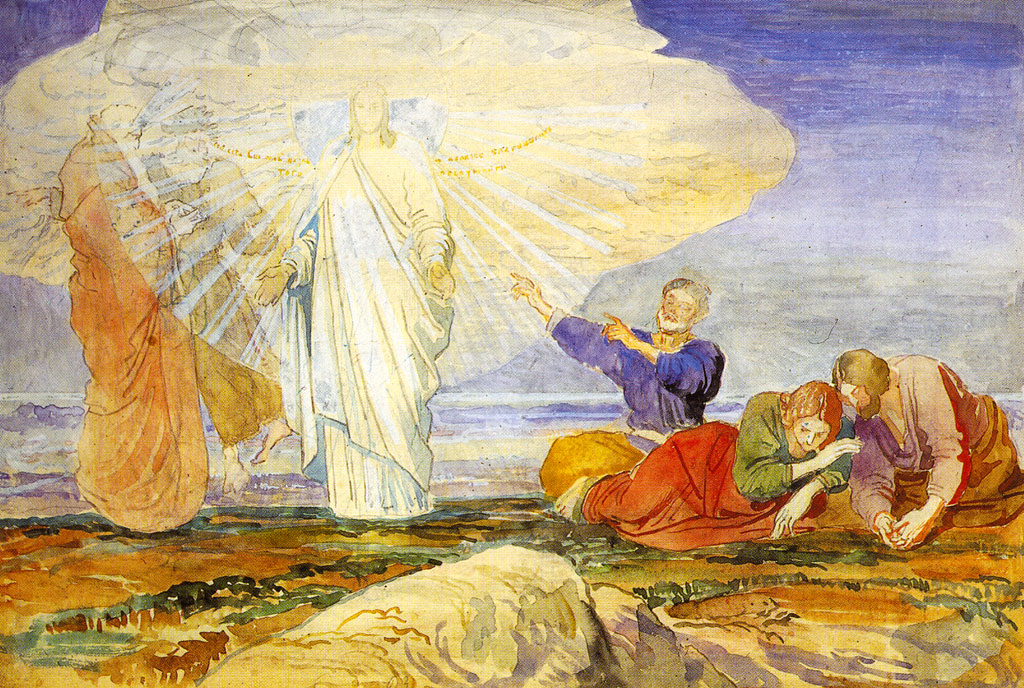
Of course, each of us will have more need for some of these practices than others. But regardless of our situation or circumstance, disengaging from life’s trials, pressures and concerns for awhile can be helpful. Indeed, even Jesus did this. The gospels repeatedly tell us that, after periods of intense activity, Jesus regularly went off to quiet and secluded
places with his disciples to rest, re-charge and pray. This week’s gospel reading tells of one such occasion – and suggests that it’s at times such as these that God can be present in powerful and even life-changing ways to restore, strengthen and empower us all. So we’ll be focusing on the story of Jesus “transfiguration,” and on the gifts of the Spirit we are offered.
I look forward to seeing you this Sunday at 10:30 am.

Ian’s Inklings – February 20

Occasionally I come across a Biblical text that I really don’t want to preach on.  And this week’s suggested reading from Luke’s gospel is one such passage.  “I say to you, Love your enemies, do good to those who hate you, bless those who curse you, and pray for those who abuse you,” Jesus said.  “If anyone strikes you on the cheek, offer the other also; and from anyone who takes away your coat do not withhold even your shirt… Do to others as you would have them do to you.”  

To say the least, I find these to be challenging words, even at the best of times – and these are hardly “the best of times.”  Donald Trump’s plans to impose strict tariffs on all Canadian goods entering the U.S. and to try to turn Canada into “the 51st State” threaten our economy, our values, and our independence. 

Consequently, many of us are coming to view the United States as an “enemy” that “hates” us.  So we’ve become angry.  We feel threatened.  And we’re fighting back.

Given our situation, Jesus’ words seem strange and perhaps even dangerous.  Therefore I’ve been sorely tempted to ignore them and find another text that seems more suitable (the story of David killing Goliath, perhaps?)  But one of the reasons preachers like me follow the Revised Common Lectionary (a three-year cycle of Biblical texts for every Sunday) is that doing so forces us to wrestle with texts we’d rather avoid.  So that’s what we’re going to do this coming Sunday.  What did Jesus mean when he said “love your enemies” and “do good to those who hate you?”  Can these challenging words help us navigate the turbulent waters we now find ourselves in? And if so, how?

I look forward to seeing you this coming Sunday morning at 10:30 am. 

Ian’s Inkings – Dec 13, 2024

Among other things, this is the season of Christmas carols.  And one of my favourites is a relatively unknown piece entitled “The Cherry Tree Carol.”  Unlike most others, it focuses on the story of Joseph. 

But it portrays a rather different picture of Joseph from the one we’ve often seen in our creches and Sunday School pageants, where Joseph stands quietly and steadfastly beside Mary at the manger.   While Luke’s gospel tells us that he was indeed present at Jesus’ birth, Matthew’s version focuses on Joseph’s initial response to Mary’s news that she was pregnant.  He was far from happy, and The Cherry Tree Carol powerfully describes Joseph’s reaction as follows:

Joseph and Mary walked through an ancient wood,

Where was cherries and berries, so red as any blood.

O then bespoke Mary, so meek and oh, so mild:

‘Pluck me one cherry Joseph, for I am with child.’

O then bespoke Joseph, with words most unkind:

‘Let him pluck thee a cherry that brought thee with child.’

The story continues from there, and the beautiful carol is definitely worth a listen.  But the emotions it describes are consistent with what we find in Matthew’s gospel.  So on Sunday we’ll focus on Joseph’s important and fascinating story.  In particular, we’ll reflect on how he overcame his initial sense of betrayal, to take on challenges he wasn’t entirely sure he could meet, and to allow love rather than judgment to have the last word.  The story of Joseph is a powerful one, and I look forward to seeing you on Sunday morning at 10:30.

Click on the link below: The Cherry Tree Carol by Gwyneth Walker

performed by Cantores Celestes Maritimes

https://youtu.be/l_i5IadI9O0?si=OEctk4E9Jx38xSV0

Blog at WordPress.com.

Up ↑