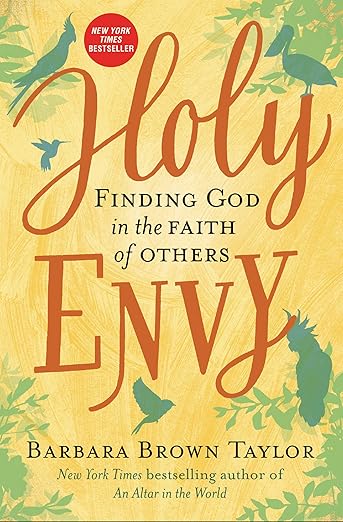
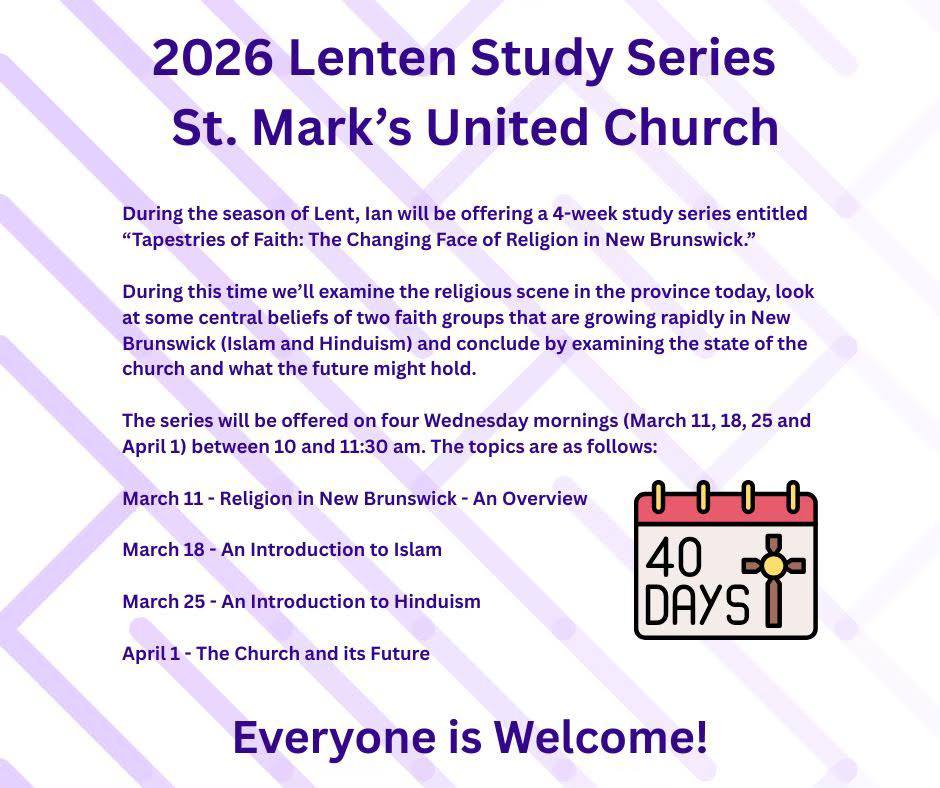
In preparation for the Lenten series I’m currently leading on “Tapestries of Faith: The Changing Face of Religion in New Brunswick,” I’ve been re-reading Barbara Brown Taylor’s insightful memoir, Holy Envy. It’s an engaging and fascinating book which, among other things, deals with what we might call “holy mysteries.” Taylor, an American Episcopal minister, left parish ministry some time ago to teach religion at a private college in Georgia, where for many years she offered a survey course on world religions. Her book describes some of the experiences she and her students had as they studied various sacred texts and paid visits to Jewish, Hindu, Buddhist and Islamic places of worship – and Taylor offers a moving account of what she learned. But she also describes how this experience caused her to realize that all human understandings of God – including her own – are always limited and remain shrouded in a significant degree of mystery.
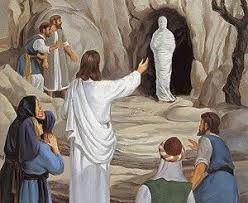
I believe that’s true – but I also know that dealing with the “holy mysteries” can be challenging. Nevertheless, Taylor’s book reminds me that doing so is important. And this insight has been timely as I’ve thought about the story of “the raising of Lazarus” – in which Jesus responds to a plea from Lazarus’s sister Mary to come to his tomb and bring her brother back to life. It’s the suggested reading for this coming Sunday, and I’ve always struggled with it. The story makes little or no sense to lots of modern minds – many of us have been taught that miracles don’t happen and that God doesn’t ever act this way – so this account seems implausible. Consequently, I’ve sometimes been tempted to ignore this passage and replace it with a different one that describes events that seem more believable. But after reading Holy Envy, I have a nagging sense that doing so no longer feels right – and that wrestling with some of the “holy mysteries” of our faith is an important (albeit challenging) thing to do. So we’ll venture into these deep waters this coming Sunday at 10:30 am, and see where we end up.
I expect it will be an interesting morning, and I look forward to seeing you then!








 stmarksunited.ca