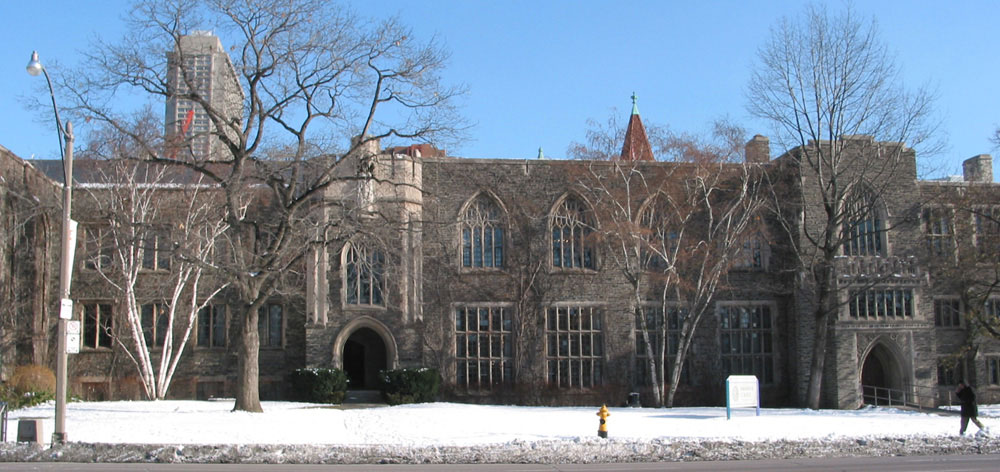
Since early January, I’ve been teaching an on-line course for Emmanuel College in Toronto on how the United Church of Canada is organized and governed. 16 students are enrolled and gather every Monday afternoon -they come from various backgrounds – and most are planning to become United Church ministers. Their first assignment was to describe and assess a visioning process that has taken place in a congregation somewhere in the country, and identify some of the insights they gained in doing this research. Their reports make for very interesting reading.
Indeed, they indicate that even some of the largest, wealthiest, and most “successful” churches in the Toronto area also are struggling with the realities of declining attendance, an aging membership base, and a dearth of young people. To be sure, there are a few exceptions – but not many. Consequently, lots of churches have been working hard to assess what they now do and chart a new course for the future that hopefully will help them remain active, relevant and faithful. And no two congregations are proceeding in quite the same way. For example, one congregation has welcomed the members of a smaller church into its midst, and has been working diligently to integrate these newcomers and make them feel truly welcome. Another church has decided to create a “Center for Human Flourishing” to try and build relationships with those who see themselves as being “spiritual but not religious.” A third congregation has hired a consulting firm from Calgary to do a full-scale review of its ministry and identify some new options for the future – while a fourth has decided to refurbish its sanctuary and replace some of the pews with chairs so that the space can be used more creatively. In these and other ways, churches all across this country are striving to reinvent themselves ways and remain relevant to the people of their communities.
Of course, we at St. Mark’s are doing that too. Indeed, we are currently engaged in our own process of discerning where the Spirit is leading us and developing several new initiatives that can help bring new life, energy and purpose to our congregation. At our March 9 annual congregational meeting, we approved an initial plan calling for the creation of a few new worship experiences and educational opportunities that hopefully will feed our souls and nourish our spirits in different ways.


 stmarksunited.ca